

Members of Parliament have raised red flags over the growing number of unlicensed trainers in Technical and Vocational Education and Training (TVET) institutions, warning that the trend could compromise the quality of skills development across the country.
The concerns emerged during a session of the National Assembly’s Public Investment Committee on Education and Governance, chaired by Dick Maungu, as lawmakers reviewed audit reports spanning the 2021/2022 to 2024/2025 financial years.
The committee found widespread non-compliance with trainer licensing requirements set by the Technical and Vocational Education and Training Authority, with several institutions cited for operating with unlicensed personnel.
Among the affected colleges were Butula Technical and Vocational College, Khwisero Technical and Vocational College, Webuye West Technical and Vocational College, Tindiret Technical and Vocational College, Tinderet Integrated Technical Trainers College, and Koshin Technical Training Institute.
At Butula Technical and Vocational College, audit findings for the 2023/2024 financial year exposed significant compliance gaps. Out of 33 trainers, only seven were licensed at the time of review—contrary to the Technical and Vocational Education and Training Act.
“This was a clear breach of the law, which requires all trainers to be registered and licensed before engaging in training,” the audit report noted.
Lawmakers questioned how such gaps could impact the quality of education, with Kasipul MP Boyd Were pressing for timelines on compliance.
“I would like to know how long it will take for all trainers to be licensed. This is a matter that directly affects the standards of training our youth receive,” Were said.
Responding to the concerns, Butula TVC Chief Principal Calistus Omilo acknowledged the shortfall but said progress had been made. He revealed that the number of licensed trainers had increased to 14 out of 43, with more applications underway.
“Twelve trainers have already applied and are awaiting approval, while others have enrolled at the Kenya School of TVET to meet the pedagogical requirements,” Omilo explained.
“The regulatory framework has evolved, and many trainers initially hired with technical qualifications are now required to undergo formal teaching training.”
Igembe Central MP Daniel Karitho questioned whether the issue pointed to a broader shortage of qualified trainers nationwide.
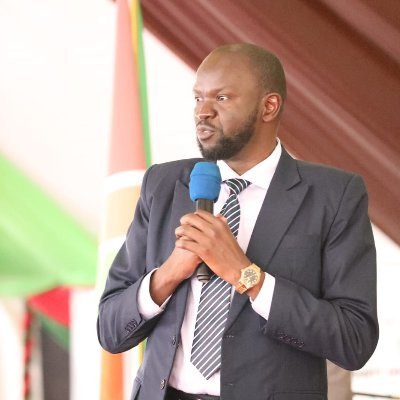
“Do we lack enough trained personnel, or is it a matter of systems failing to align qualifications with deployment?” Karitho posed.
Narok Woman Representative Rebecca Tonkei highlighted structural challenges in recruitment, noting that institutions have limited control over hiring processes dominated by the Public Service Commission.
“Principals do not recruit trainers directly. The PSC sometimes deploys technically qualified individuals who lack pedagogical training,” she said.
“We need a structured system that allows these trainers to acquire teaching qualifications, possibly during school breaks, in collaboration with TVETA.”
Lungalunga MP Mangale Chiforomodo called for tighter coordination between recruitment bodies and regulators.
“There must be clarity from the outset. Trainers should meet all requirements, including pedagogical training, before they are deployed,” he said.
“We cannot compromise on standards in such a critical sector.”
Committee chair Maungu acknowledged longstanding legal gaps that have contributed to the crisis, noting that the PSC has historically deployed trainers without enforcing teaching qualifications.
“There has been a lacuna in law, and that is why we are seeing these inconsistencies,” Maungu said.
“The proposed Trainers Service Council Bill seeks to streamline recruitment, certification, and regulation to restore order in the sector.”
MPs warned that failure to address the issue urgently could undermine the government’s efforts to position TVET institutions as a cornerstone of skills development and job creation.
“If we do not fix this now, we risk weakening the very foundation of our workforce development agenda,” Maungu cautioned.